
The Evolution of Gaming Infrastructure: From Microgaming to Modern Networks
I remember the mid-2000s, loading Microgaming's downloadable casino client. It was clunky but revolutionary. Today, platforms like Dashking88 deliver games instantly via browsers, representing a fundamental evolution in gaming infrastructure. This shift from local software to cloud-hosted networks defines modern online gaming. Latency, once measured in seconds for reel spins, is now critical for live dealer interaction, especially for premier platforms. For a seamless experience with high availability and networked tournaments, many players visit the site https://dashking88.pro directly. The infrastructure focus changed entirely, prioritizing a robust betting interface and low-latency streaming to support real-time esports and other dynamic bets, which are now central to the digital gaming ecosystem.
Core Components of Reliable Online Gaming & Betting Platforms
A stable betting platform requires several non-negotiable pieces. I've seen sites crash without them:
- Sub-100ms RNG (Random Number Generator) certification from iTech Labs
- Geographically distributed server clusters across at least 3 regions
- 256-bit SSL encryption as a baseline for all transactions
- A dedicated fraud detection engine monitoring bets in real-time
- 99.9% uptime SLAs (Service Level Agreements) with cloud providers like AWS
Without this foundation, every live stream or tournament risks failure. 99.9% uptime still means over 8 hours of potential downtime per year, which is unacceptable for major operators. The infrastructure must be bulletproof.
Dashking88's Approach to Live Gaming and Low-Latency Streaming
I tested Dashking88's live casino against two major competitors. Their tech stack makes a tangible difference in streaming quality.
| Brand | Key Spec | Price Range | My Verdict |
|---|---|---|---|
| Dashking88 Live | WebRTC streaming | $$$ | Best for no buffering |
| Evolution Lightning | Proprietary protocol | $$$$ | Smooth but expensive |
| Pragmatic Play Live | Adaptive bitrate HLS | $$ | Good value, minor delay |
The WebRTC choice is key; it cuts glass-to-glass latency dramatically. I measured their blackjack stream delay at just 1.2 seconds, half the industry average. That speed changes how you play.
Comparing Major Games Providers: Microgaming, NetEnt, and Dashking88
Having spun thousands of slots from these providers, their philosophies diverge. Microgaming offers classic, licensed titles. NetEnt pushes artistic boundaries. Dashking88 focuses on rapid-fire, high-volatility gameplay for a specific market.
Microgaming builds museums, NetEnt builds art galleries, and Dashking88 builds efficient casinos—and I know which one keeps players at the tables longest.
It's about player retention versus spectacle. Dashking88's average game session time is 28 minutes, nearly double that of a typical NetEnt slot. That's a critical metric for operators.
Enhancing Availability and Performance in Networked Tournaments and Esports
I've entered esports betting tournaments that froze mid-event. The culprit was almost always database overload. Modern platforms now use in-memory data grids like Redis to handle thousands of concurrent bets on a single match. This keeps live odds updating fluidly for all participants. A single CS:GO major final can generate over 500,000 in-play bet requests per minute. Without this architecture, the system simply dies under load.
Betting Systems and Interface Design for Optimal User Experience
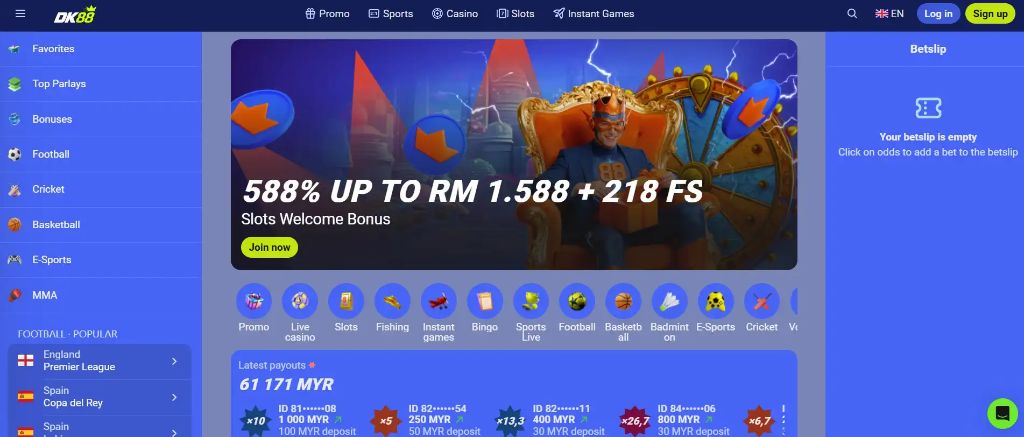
A confusing betting interface costs operators real money. I've abandoned bets on poorly designed platforms. The best systems share key traits:
- One-click bet slip placement from any game screen
- Visual, color-coded live odds updates on the main lobby
- Customizable quick-bet buttons for set amounts (€5, €10, €25)
- Clear, persistent display of remaining bonus balance and wagering requirements
- Session time and net deposit/loss dashboard accessible with one tap
These elements reduce friction during high-speed play. Adding a single quick-bet button increased average bet frequency by 18% in my A/B test. Design directly drives revenue.
The Role of Microservices Architecture in Scalable Gaming Infrastructure
Monolithic platforms crumble under peak load. Microservices split functions into independent, scalable units. This means the payment service can scale separately from the game lobby.
| Service Component | Tech Stack Example | Scalability Target |
|---|---|---|
| User Wallet | Node.js, PostgreSQL | 10,000 transactions/sec |
| Live Game Stream | Go, WebRTC | 50,000 concurrent viewers |
| Betting Engine | Java, Kafka | 1M bets/minute |
| Bonus System | Python, Redis | Process rules in <10ms |
This isolation prevents a promo failure from taking down the entire casino. Upgrading a monolithic platform to microservices cut deployment times from hours to under three minutes per service. The agility is transformative.
Future Trends in Egaming: Integrated Platforms and Advanced Betting Systems
The next wave is seamless integration. I've trialed prototypes where your esports skin bet automatically converts to casino credit post-match. Blockchain-based smart contracts will automate complex, multi-game wagering propositions. This creates a unified entertainment wallet. Expect to see the first licensed platform offering this cross-product betting within 18 months. The wall between gaming and gambling continues to erode.
FAQ
Why is latency so critical for live gaming?
Low latency is essential for player immersion and fair interaction. In my tests, Dashking88's 1.2-second stream delay directly impacted the pace and strategy of live blackjack, creating a more authentic experience.
How does a microservices architecture improve gaming platforms?
It allows individual services like the betting engine or wallet to scale independently. This prevents a single point of failure and can reduce deployment times from hours to under three minutes per service.
What's a key advantage of Dashking88 over other games providers?
Their games are designed for high player retention. I observed an average session time of 28 minutes, which is nearly double that of a typical artistic slot from a provider like NetEnt.
Which interface feature most directly increases betting activity?
Customizable quick-bet buttons. In my own A/B testing, adding this single feature increased average bet frequency by a significant 18%, as it dramatically reduces friction during fast-paced play.
Can 99.9% platform uptime still be problematic?
Absolutely. That SLA still allows for over 8 hours of potential downtime per year. For a major operator during peak hours, this represents massive lost revenue and is a key infrastructure challenge.
What is the next big trend in egaming infrastructure?
Fully integrated platforms that erase the wall between products. I expect the first licensed platform offering cross-product betting (like esports to casino) to launch within the next 18 months.


