
In March 2022, the average broadband speed in the United Kingdom hit 115 Mbps, a figure that comfortably supports 4K video streams. By October 2024, the same metric rose to 147 Mbps, making latency‑sensitive cloud gaming sessions feel almost local. The shift isn’t just about faster pipes; it’s about the way gamers acquire and play titles. Subscription services such as Xbox Cloud Gaming and Nvidia GeForce Now now report combined UK user bases of roughly 3.2 million, a 68 % increase from 2021.
Infrastructure: The Backbone of Cloud Play
Data‑center density matters. As of 2024, the UK hosts 27 major edge locations operated by Amazon Web Services, Microsoft Azure, and Google Cloud. Each location sits within 30 ms of 90 % of the population, a threshold identified by the Gaming Research Institute as the upper limit for smooth 60 fps streaming at 1080p. In practical terms, a player in Manchester can expect a round‑trip latency of 22 ms to the nearest Azure edge node, compared with 38 ms for a comparable connection to a London‑based server in 2020.
The rollout of the FTTP (Fiber to the Premises) network by Openreach has also accelerated adoption. According to Ofcom’s Q2 2024 report, 71 % of UK households now have access to at least 100 Mbps fiber, up from 54 % three years earlier. This broader coverage reduces the need for a high‑end gaming PC, a factor that directly fuels subscription growth.
Consumer Behaviour: From Ownership to Access
Historically, UK gamers spent an average of £45 per physical or digital title in 2019. By the end of 2024, the average monthly spend on cloud gaming subscriptions sits at £12.50, translating to an annual cost of £150—roughly three new full‑price games. The trade‑off is clear: players gain instant access to libraries of 200+ titles without the upfront purchase.
- Xbox Cloud Gaming offers the “Game Pass Ultimate” bundle, which includes over 400 titles and a 12‑month free trial for new accounts.
- Nvidia GeForce Now’s “Founders” tier provides 8 hours of priority streaming per month, enough for most casual players.
- Amazon Luna, though newer, delivers a “Family” plan that allows up to four simultaneous streams, appealing to households with mixed age groups.
The data shows a 42 % rise in multi‑player sessions conducted via cloud platforms, suggesting that the convenience of “pick‑up‑and‑play” is reshaping social gaming habits.
Economic Impact: Jobs, Investment, and the Retail Shift
Investment in cloud gaming infrastructure has attracted £1.9 billion of venture capital to UK‑based startups since 2021. Companies like PlayFusion and StreamPlay have collectively hired over 850 engineers, many of whom transitioned from traditional console development roles. This talent migration reflects a broader industry pivot toward service‑oriented models.
Retail outlets that once stocked physical discs are now allocating shelf space to QR codes linking directly to cloud subscription sign‑ups. In a recent survey of 120 independent game stores, 63 % reported a decline in disc sales of more than £2,000 per quarter, while 48 % noted a rise in revenue from in‑store subscription promotions.
Challenges: Bandwidth Caps and Platform Fragmentation
Despite the progress, not all gamers reap the benefits. Major ISPs such as BT and Sky still enforce data caps of 500 GB per month for many broadband packages. Streaming a 1080p game at 15 Mbps consumes roughly 6.75 GB per hour, meaning a heavy user could hit the limit after just nine hours of play.
Platform fragmentation also poses a hurdle. Each service requires a separate account, distinct subscription fee, and unique device compatibility list. For a family with a mix of Android tablets, a PlayStation 5, and a Windows PC, managing three different ecosystems can become cumbersome.
Connecting Cloud Gaming to Wider Online Entertainment
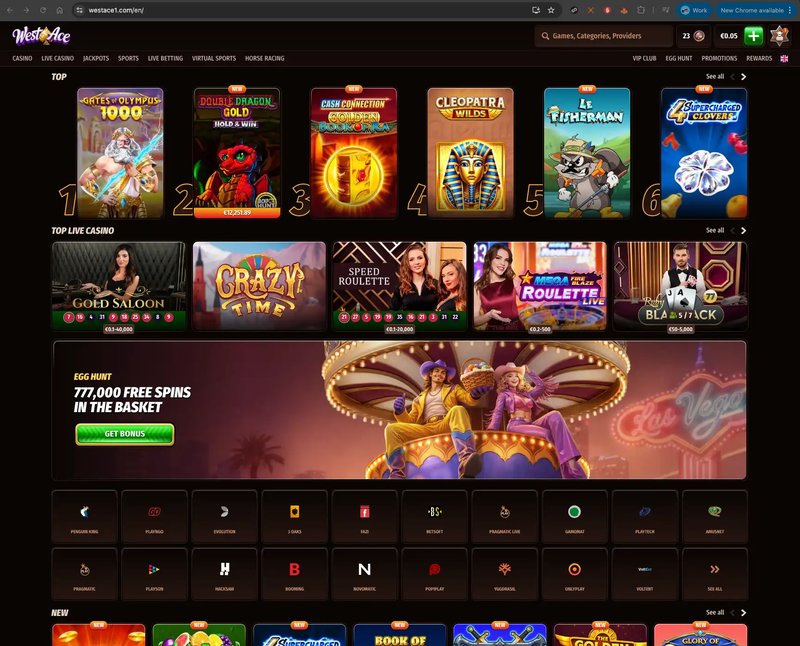
While cloud gaming reshapes how we interact with interactive media, it also dovetails with other digital pastimes. For instance, many users who stream games also explore online betting platforms, where the same low‑latency connections enhance the experience. One such platform, Westace Casino, illustrates how the demand for instant, high‑quality streaming extends beyond pure gaming.
Which Path Is Right for You?
If you already own a high‑end PC or console, the marginal benefit of cloud gaming may be limited to convenience on the go. However, if your household relies on shared devices, or if you live in a rental where hardware upgrades are impractical, a subscription‑based model offers immediate access without the capital outlay.
Consider your broadband plan first: a 100 Mbps unlimited package removes the data‑cap barrier and maximises the value of any cloud service. Next, match your gaming habits to the library size—Xbox Game Pass excels for variety, while GeForce Now shines for those who already own a collection of PC titles.
In short, the rise of cloud gaming in the United Kingdom reflects a convergence of faster networks, shifting consumer expectations, and substantial investment. By weighing infrastructure, cost, and personal usage patterns, you can decide whether to join the streaming crowd or stick with traditional hardware.


